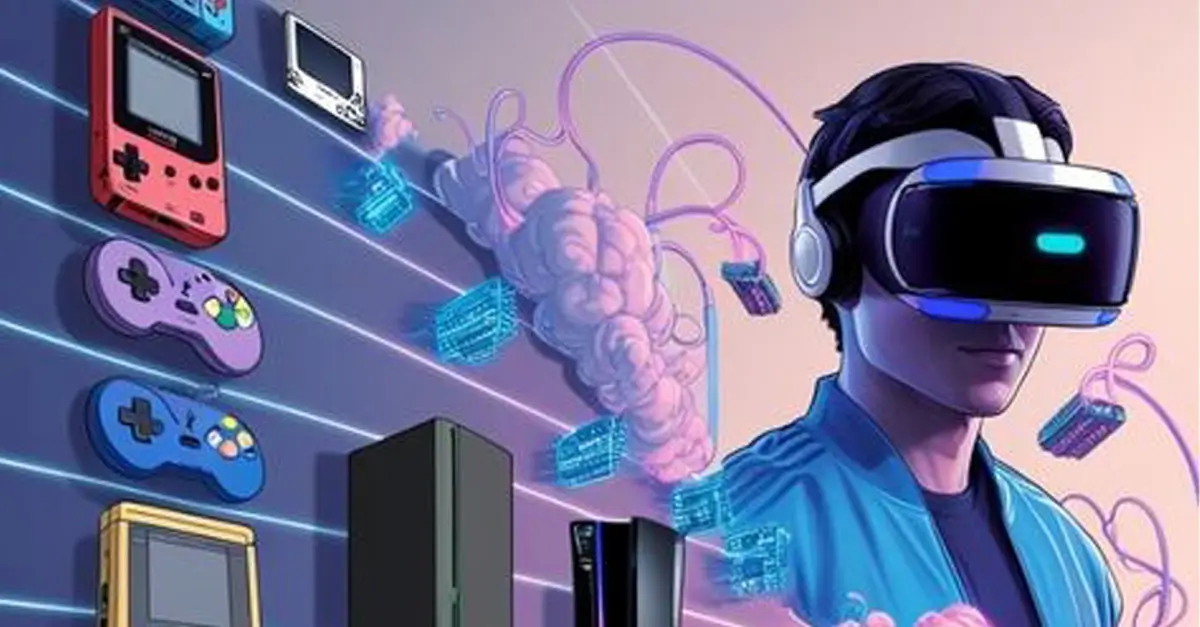
Once seen merely as a novelty or a children’s pastime, video games have evolved into one of the most influential and multifaceted forms of media in the modern world. Today, video games represent a dynamic blend of art, technology, homebet88, and community. With a global market that reaches billions of people and generates more revenue than the film and music industries combined, video games have become a central pillar in global entertainment and digital culture.
In this article, we’ll explore the history, growth, diversity, and significance of video games—from their humble beginnings to their current role as educational tools, cultural artifacts, and immersive storytelling mediums.
A Brief History: From Pong to Open WorldsThe history of video games begins in the 1950s and 60s, with rudimentary experiments in computer simulation and digital play. But it wasn't until the 1970s that commercial video games took off, starting with the release of Pong in 1972. This simple table tennis simulation, developed by Atari, laid the foundation for an industry that would expand exponentially in the decades to come.
By the 1980s, arcade gaming was booming. Titles like Pac-Man, Donkey Kong, and Space Invaders captivated audiences around the world. Simultaneously, the introduction of home consoles—such as the Atari 2600 and later the Nintendo Entertainment System (NES)—brought video games into living rooms.
The 1990s saw tremendous innovation. With the advent of 16-bit and 32-bit systems, games became more complex, both in graphics and gameplay. Iconic franchises like Sonic the Hedgehog, The Legend of Zelda, Final Fantasy, and Street Fighter emerged. The rise of CD-ROMs enabled longer games and full-motion video, pushing the boundaries of interactive storytelling.
By the early 2000s, the rise of 3D graphics, internet connectivity, and powerful consoles (like the PlayStation 2, Xbox, and GameCube) set the stage for a new era. Online multiplayer games such as Halo 2 and World of Warcraft revolutionized player interaction, laying the groundwork for today’s interconnected gaming world.
Video Games as a Creative Art FormContrary to outdated stereotypes, video games are not mindless or anti-social activities. In fact, many modern games rival films in artistic merit, emotional depth, and narrative sophistication.
Games like The Last of Us, Red Dead Redemption 2, and Bioshock Infinite are celebrated not just for gameplay mechanics but for their storytelling, character development, and philosophical themes. Indie titles like Journey, Celeste, and Gris showcase minimalist design paired with profound emotional resonance, often exploring topics like mental health, loss, and personal growth.
Like traditional art forms, video games involve a variety of disciplines: visual art, music composition, writing, acting, animation, and software development. The result is a holistic multimedia experience that immerses the player both visually and emotionally.
The Social Side of GamingPerhaps one of the most misunderstood aspects of gaming is its social dimension. Far from being isolating, many video games encourage communication, cooperation, and community-building.
Multiplayer online games like Fortnite, Apex Legends, and League of Legends attract millions of concurrent players who collaborate and compete in real-time. Meanwhile, platforms like Discord, Twitch, and YouTube Gaming allow players to stream gameplay, interact with fans, and create content-driven communities.
Games like Minecraft allow friends to build worlds together, while titles like Among Us rely on social deduction and teamwork. Virtual worlds like Roblox and VRChat enable users to create, share, and explore custom environments, often leading to rich digital friendships.
The rise of esports has further legitimized gaming as a competitive pursuit. Professional gaming tournaments fill stadiums and attract viewers online in the tens of millions. Players train like athletes, with sponsorships, coaching, and prize pools that can reach into the tens of millions.
Gaming and Education
The use of video games in education has grown significantly in recent years. Gamification—the integration of game mechanics into non-game contexts—is now common in classrooms, workplaces, and training environments.
Games like Minecraft: Education Edition allow students to learn geometry, history, and coding in a hands-on, engaging way. Strategy games like Civilization VI and SimCity teach players about history, economics, and urban planning. Language-learning platforms like Duolingo incorporate video game principles like levels, achievements, and rewards to enhance motivation and retention.
In professional settings, serious games are used for simulations and training in industries like medicine, aviation, military, and business. These games provide realistic environments where users can practice high-stakes scenarios without real-world consequences.
Mental Health and Therapeutic BenefitsVideo games have shown significant promise in supporting mental health. Games can offer escapism, a sense of achievement, and a safe space for self-expression. Titles such as Celeste and Hellblade: Senua’s Sacrifice tackle mental health themes directly, helping raise awareness and foster empathy.
Some studies suggest that certain types of games can reduce symptoms of anxiety and depression, improve cognitive flexibility, and enhance social skills. Therapeutic games designed specifically for mental health treatment are increasingly being used by psychologists and clinicians to support therapy goals.
Additionally, virtual reality (VR) games are being used in exposure therapy, PTSD treatment, and pain management—demonstrating the powerful potential of interactive technology in healthcare.
The Future of Video GamesThe future of gaming is being shaped by several cutting-edge technologies and cultural shifts:
-
Virtual Reality (VR) and Augmented Reality (AR) are transforming immersion by placing players directly inside digital worlds. Titles like Half-Life: Alyx and Beat Saber show the potential of VR as a fully immersive storytelling and gameplay medium.
-
Artificial Intelligence (AI) is making games smarter and more responsive, with NPCs (non-player characters) that learn and adapt based on player behavior.
-
Cloud gaming services like Xbox Cloud Gaming and NVIDIA GeForce Now are removing hardware barriers, allowing high-quality games to be played on a variety of devices via the internet.
-
User-generated content is empowering players to become creators. Platforms like Roblox, Dreams, and even Fortnite’s Creative Mode allow users to design and share their own games and experiences.
-
Accessibility in gaming is also improving, with developers designing games for players with disabilities. Innovations like customizable controls, audio cues, and visual enhancements are making games more inclusive than ever before.
Conclusion: More Than Just PlayVideo games have transcended their original purpose as simple diversions. They are now vehicles for storytelling, art, education, social engagement, and personal growth. As a cultural force, they reflect the values, struggles, and dreams of the societies that create and consume them.
In a world that is increasingly digital and interconnected, video games are not just games—they are a language, a medium, and a movement.
Whether you’re a casual gamer exploring on your smartphone, a competitive esports athlete, or a developer pushing the boundaries of interactivity, you are part of a vibrant and continually evolving ecosystem. As technology and creativity continue to advance, video games will undoubtedly remain at the forefront of global entertainment and innovation.